Imperdibles
Sobre Bariloche
Bariloche: The Gateway to Argentine Patagonia
Bariloche, officially San Carlos de Bariloche, is the most visited city in Argentine Patagonia and one of South America's most celebrated destinations. Nestled on the shores of Lake Nahuel Huapi at the foot of the Andes, it blends breathtaking mountain scenery with a vibrant, well-equipped city ready for travelers from around the world.
The Landscape: A Postcard Come to Life
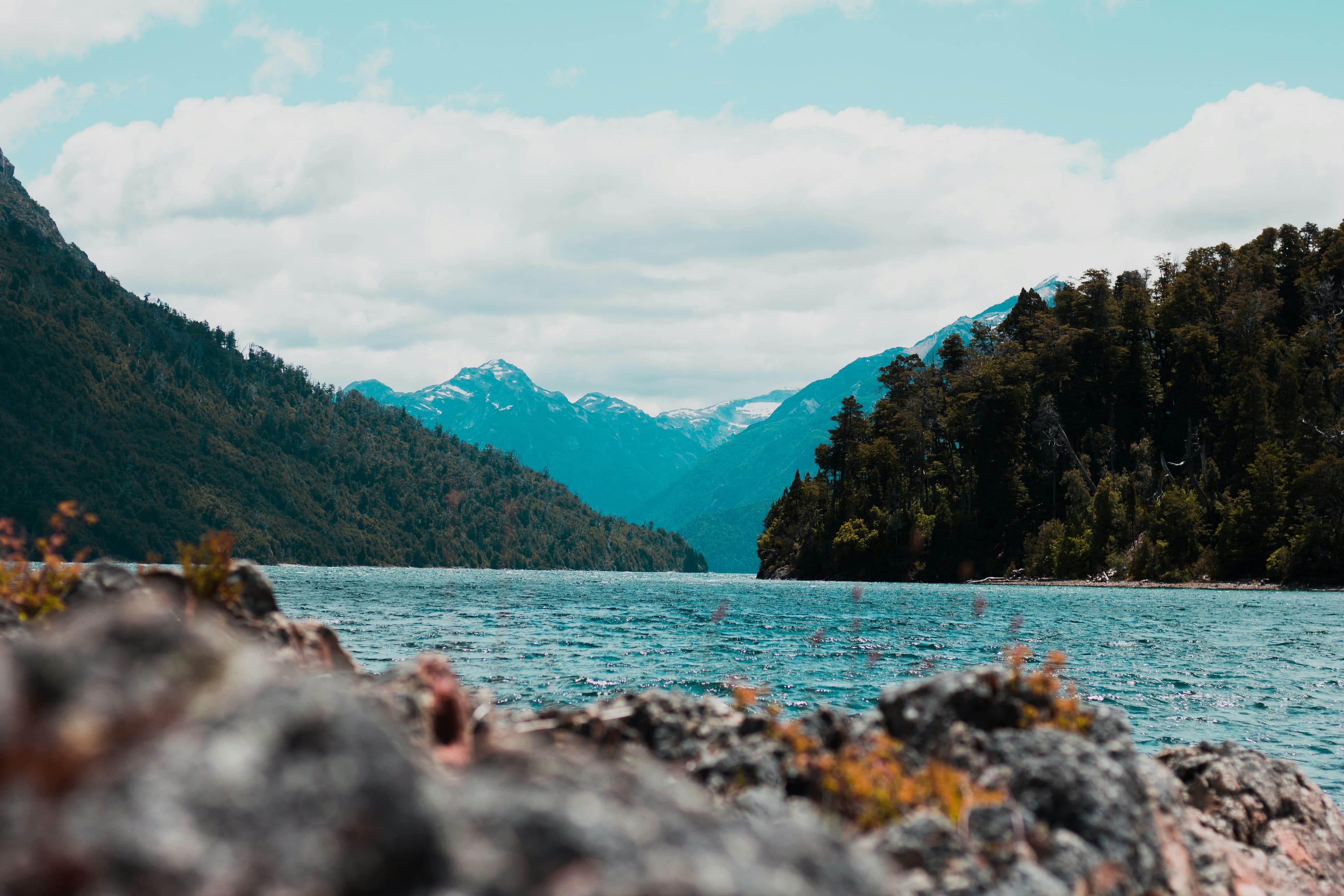
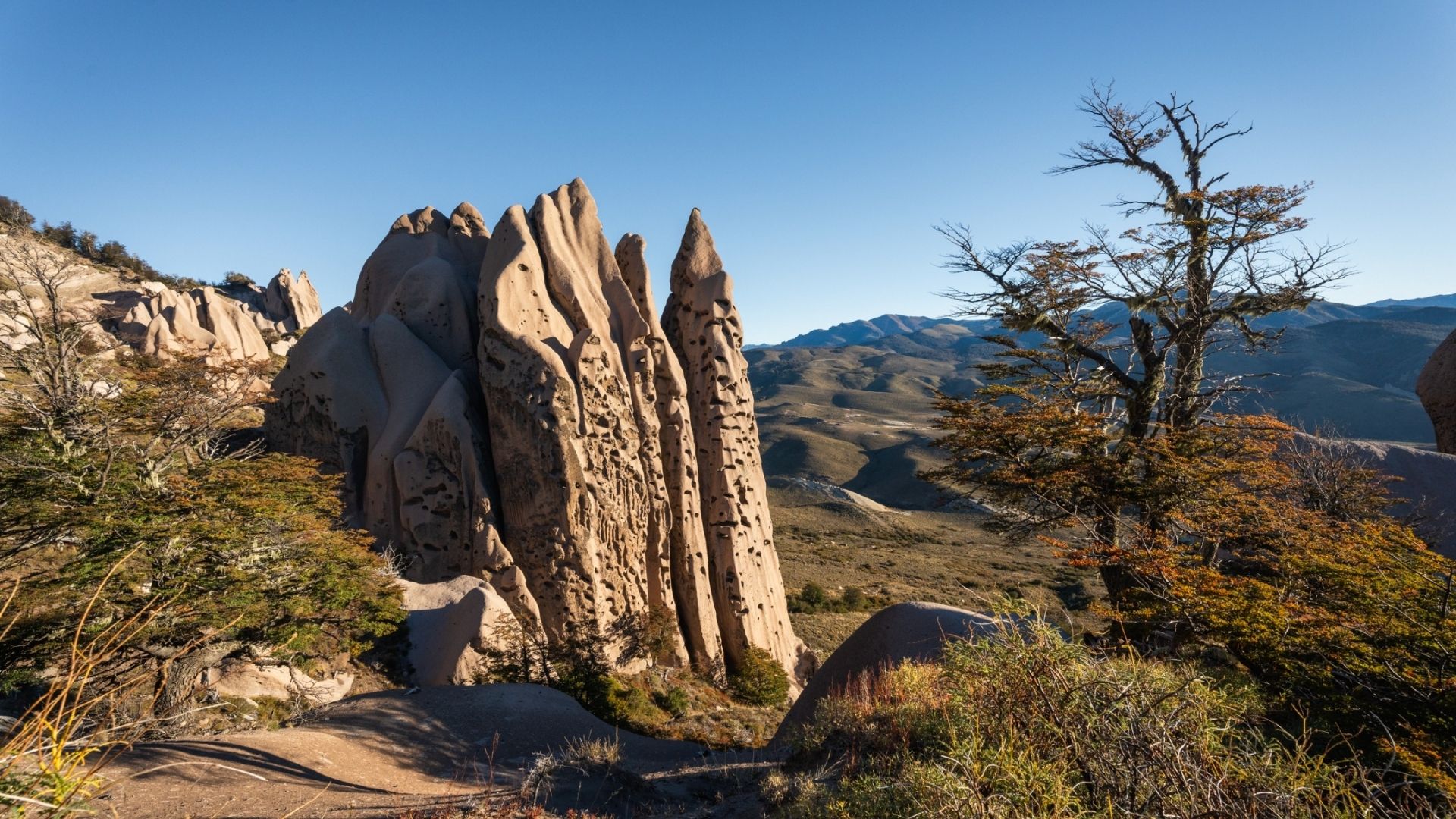
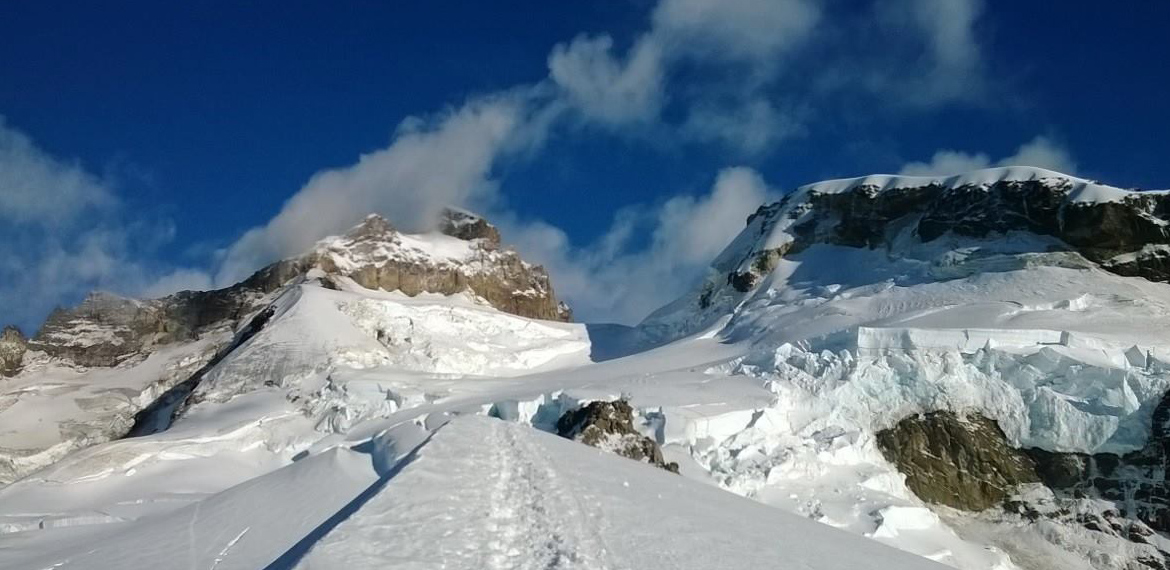
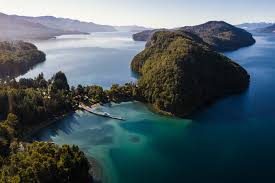
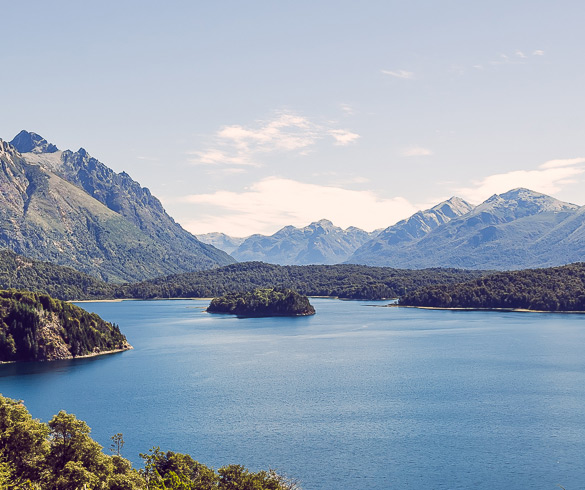
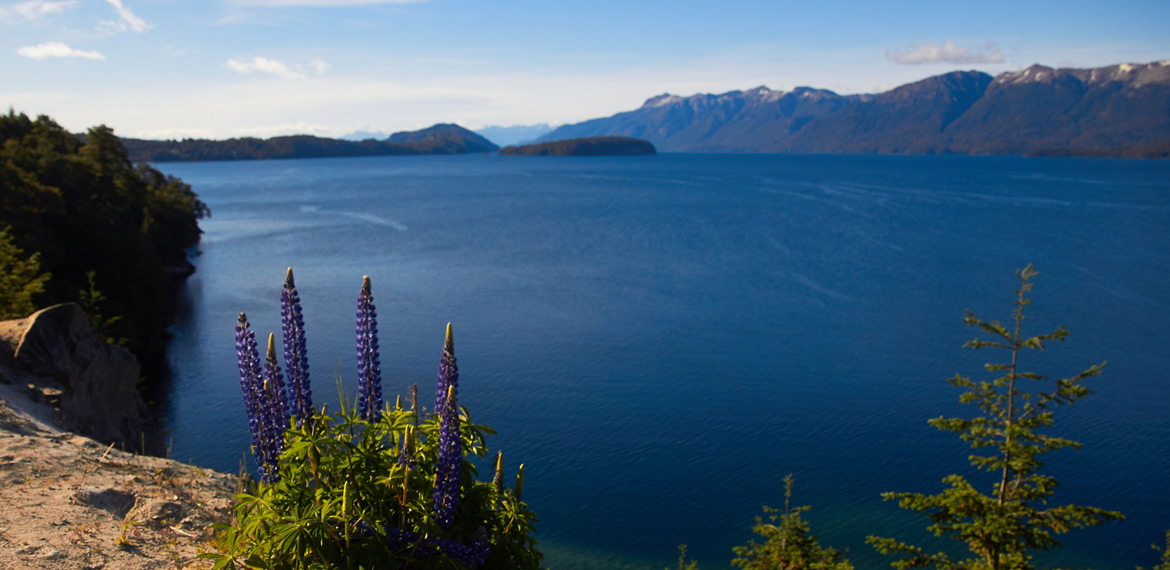
The natural surroundings of Bariloche are nothing short of extraordinary. Crystal-clear lakes in shades of turquoise and emerald, snow-covered peaks rising above 2,000 meters, forests of lenga beech, coihue and arrayán trees, and distant volcanoes create a panorama unlike anywhere else in Argentina. Lake Nahuel Huapi, with over 550 km² of surface area, mirrors this entire Andean landscape.
National Parks
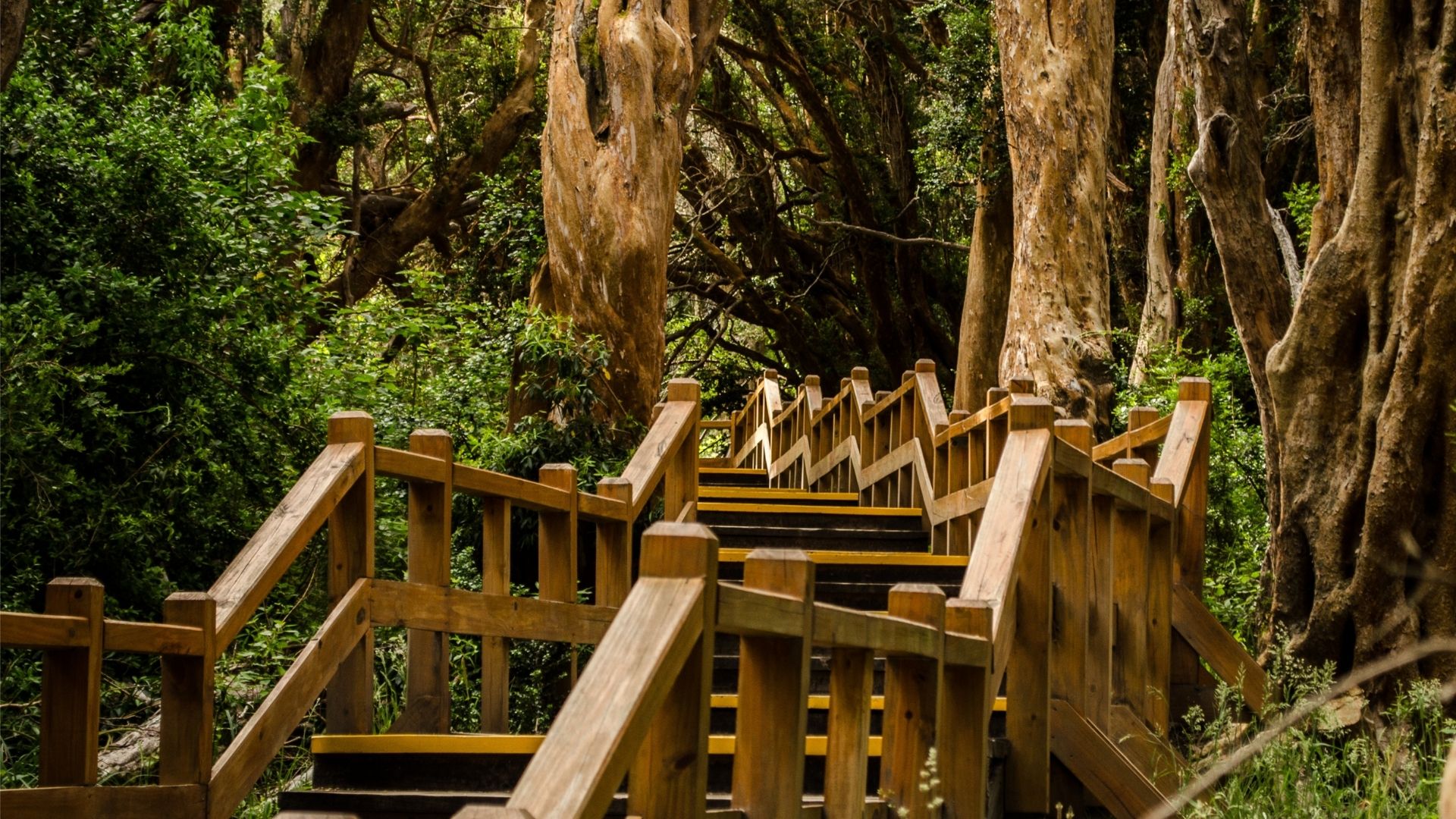
Nahuel Huapi National Park, established in 1934 and the oldest national park in Argentina, surrounds the city and protects over 700,000 hectares of Andean-Patagonian ecosystem. Within the park lie Mount Tronador (3,491 m), the Castaño Overo and Alerce glaciers, Victoria Island and the Arrayanes Forest — accessible only by boat or kayak. 80 km to the south, Los Arrayanes National Park protects one of the largest arrayán forests in the world.
The City: Architecture, Food and Culture
Bariloche has a unique visual identity: its stone-and-wood architecture, inspired by the Alpine style of Central Europe, is the legacy of Swiss, German and Austrian immigrants who founded the city in the early 20th century. The Civic Center, designed by architect Alejandro Bustillo on the lakefront, is the heart of the city and a national architectural landmark. The city is also famous for its artisan chocolatiers, craft breweries, Patagonian cuisine restaurants, museums, theaters and cultural festivals.
Main Streets and Routes
The main commercial and tourist artery is Mitre Street, lined with chocolate shops, mountain gear stores, adventure tour agencies and restaurants. National Route 40, Patagonia's legendary backbone highway, passes through Bariloche connecting it to El Bolsón in the south and Neuquén in the north. The Seven Lakes Route (RN 234) is one of the most scenic drives in South America, linking Bariloche to San Martín de los Andes through seven mountain lakes.
Activities by Season
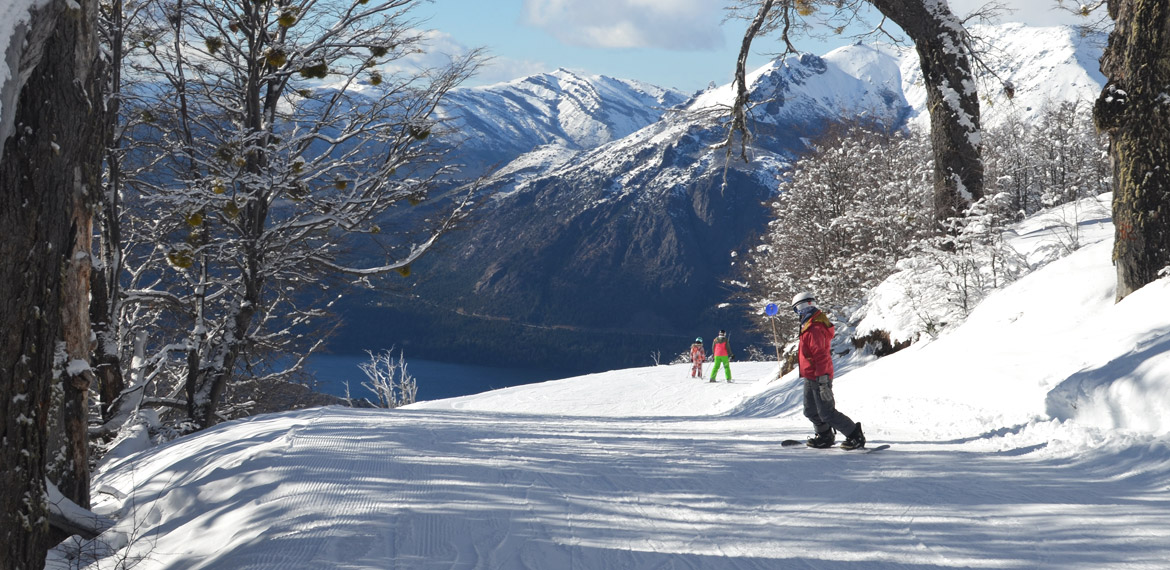
Winter (June – September): Cerro Catedral is the largest ski and snowboard resort in Latin America, with over 100 km of runs, 34 lifts and reliable snow. Snowshoeing, sledding, ice skating and snowcat excursions are also popular.
Spring (October – November): Forest blooms, easy-grade trekking, wildlife spotting (pumas, huemules, Patagonian foxes) and calm-water kayaking.
Summer (December – March): Peak season for hiking, mountain biking, white-water rafting on the Manso River, sea kayaking, windsurfing, fly fishing, 4x4 off-road tours and lake cruises. Cerro Campanario offers one of the most photographed views in Patagonia.
Autumn (April – May): Lenga beech forests turn vivid red and orange, making this one of the most photogenic seasons. Perfect for photography, peaceful hikes and crowd-free travel.
World Recognition
Bariloche is known worldwide as "The Swiss Argentina" for its alpine landscape and European architecture. It is a top honeymoon destination in Argentina, appears on international adventure and nature travel rankings, and hosted Mercosur presidential summits. Its artisan chocolates — from brands like Mamuschka and Del Turista — have earned continental fame and are exported worldwide.
Economy
Bariloche's economy is driven primarily by tourism, which provides direct and indirect employment for the majority of the working population. Key economic pillars also include the chocolate and craft beer industry, retail and commerce, higher education and scientific research, and to a lesser extent, extensive cattle ranching in the surrounding rural areas.
Education and Science
Bariloche is home to the Bariloche Atomic Center (CNEA), the Balseiro Institute (recognized as one of the best physics and nuclear engineering schools in Latin America), and CONICET Bariloche, one of Argentina's most active research centers. The National University of Comahue also has a campus here, training professionals in tourism, gastronomy and other fields.
Getting There
Bariloche is served by Teniente Luis Candelaria International Airport, with direct flights from Buenos Aires (1h 40min), Córdoba, Mendoza and cities in Chile and Brazil. By land, the Bus Terminal receives long-distance services from Buenos Aires (20 hrs on sleeper bus), Neuquén, Mendoza and other Patagonian cities. Within the city, urban bus lines cover the main tourist spots, with taxis, car rental and rideshare options widely available.
Camping and Adventure Infrastructure
Bariloche is exceptionally well-equipped for backpackers and adventure travelers. Numerous authorized campsites operate within Nahuel Huapi National Park — including Lago Moreno, Petunia and Lago Mascardi campgrounds — ranging from basic facilities to fully wild sites. The city also offers hostels, mountain refuges (Refugio Frey and Refugio Jakob being the most iconic), outdoor gear shops and certified mountain guides through the Club Andino Bariloche, the pioneering Patagonian mountaineering club founded in 1931.