Todavía no hay artículos sobre este destino.
Sobre El Calafate
El Calafate: The Kingdom of Patagonian Ice
El Calafate is a small city in Santa Cruz province that became one of the world's most famous tourist destinations thanks to its proximity to Perito Moreno Glacier. Located 2,500 km south of Buenos Aires on the shores of Lake Argentino, this town of just 25,000 inhabitants welcomes travelers from five continents each year to witness one of the most breathtaking natural phenomena on the planet.
Perito Moreno Glacier: A World Wonder
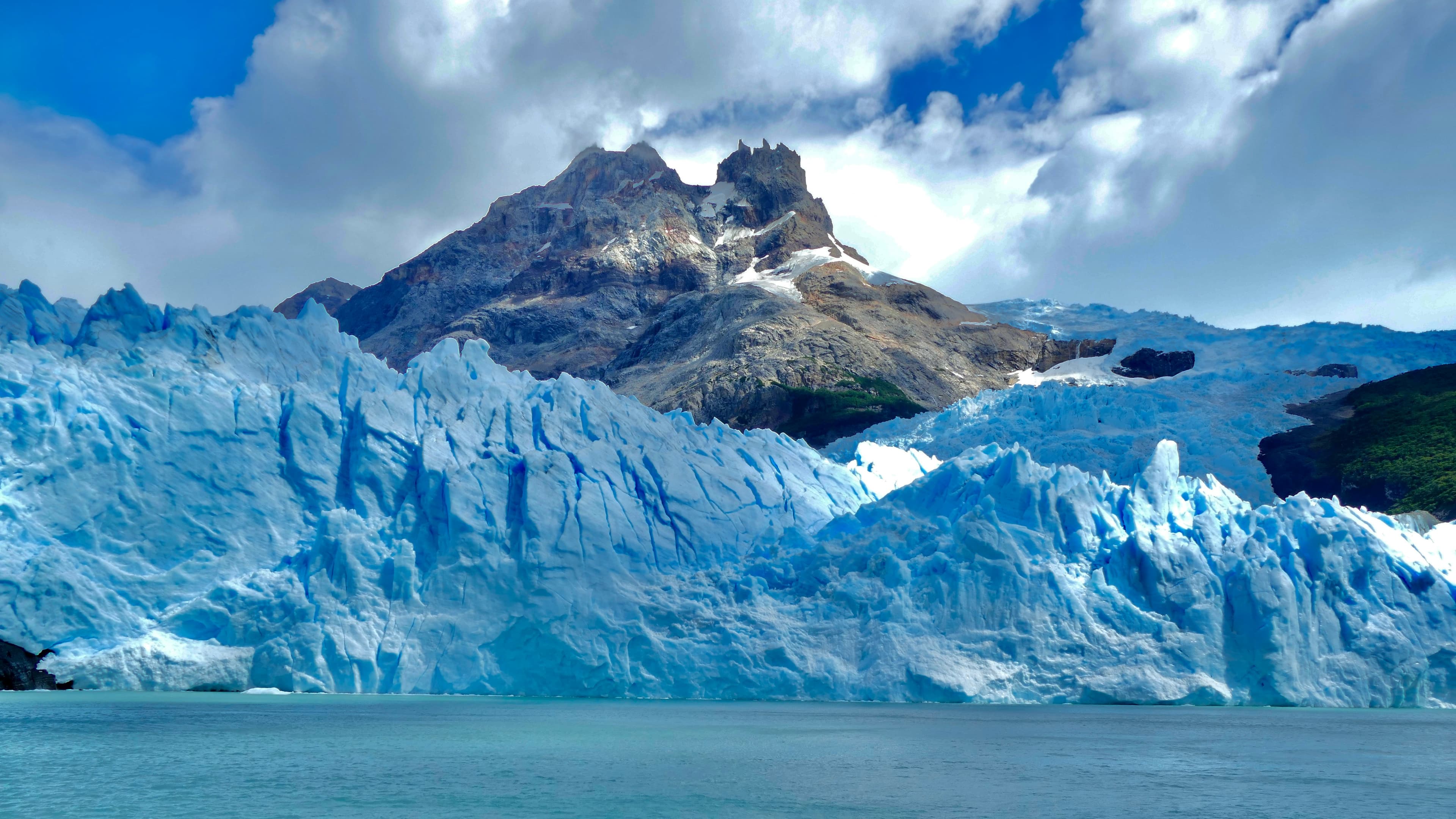
Perito Moreno Glacier is the undisputed star of El Calafate. Covering 250 km² and advancing up to 2 meters per day along a 5 km-wide front, it is one of the few glaciers in the world still in equilibrium. Its blue ice walls rise 60 meters above the lake surface and extend up to 170 meters below water. The calving spectacle — when massive blocks of ice break off and crash into the lake — is among the most thrilling natural events on Earth. It is part of Los Glaciares National Park, declared a UNESCO World Heritage Site in 1981.
Los Glaciares National Park
Los Glaciares National Park protects 726,927 hectares of austral Patagonia and contains the Southern Patagonian Ice Field, the largest freshwater reserve on the planet outside the poles. The park is home to Perito Moreno Glacier, Upsala Glacier (South America's largest at 765 km²), Spegazzini Glacier, and the iconic peaks of Fitz Roy and Torre — shared with the El Chaltén sector. Lake Argentino within the park is Argentina's largest lake at 1,415 km².
The Landscape: Ice, Steppe and Water
El Calafate's surroundings combine three unique landscapes: the windswept Patagonian steppe to the east, Andean forests of lenga and ñire to the west, and the world of glaciers and water beyond. Lake Argentino glows in impossible turquoise and green hues caused by glacial flour suspended in the water. In the Patagonian skies, condors, upland geese and pink flamingos inhabit Laguna Nimez, a wetland nature reserve just steps from the town center.
The Town: Tourism and Authenticity
El Calafate grew exponentially over the past two decades, transforming from a ranching outpost to an international tourism hub. Avenida del Libertador General San Martín is the main street, lined with Patagonian cuisine restaurants (Patagonian lamb, trout, king crab), hotels of all categories, tour agencies and craft shops. Despite the tourism boom, it retains a quiet, authentic atmosphere with lake sunsets among the most beautiful in all of Patagonia.
Main Activities
Perito Moreno Walkways: A 4 km network of boardwalks and viewpoints facing the glacier allows visitors to admire it from multiple angles and heights without a guide. The most popular and accessible activity.
Glacier Trekking (Mini Trek & Big Ice): With crampons on the ice, these excursions let you literally walk on Perito Moreno. The Big Ice option offers up to 4 hours of trekking in remote glacier zones.
Boat Cruises: Catamarans sail in front of Perito Moreno, Upsala and Spegazzini glaciers. The Onelli Lake cruise reaches glaciers only accessible by water.
Wildlife & Photo Safari: Guanacos, grey foxes, greater rheas, flamingos and condors are abundant nearby. Laguna Nimez Nature Reserve, a short walk from the center, is a bird sanctuary with over 100 species.
Patagonian Estancias: Historic ranches surrounding El Calafate open their doors for traditional lamb asado, sheep shearing demonstrations, horseback rides and authentic gaucho culture.
Seasons
El Calafate can be visited year-round. Summer (December–March) is high season: long days of up to 18 hours of light, temperatures of 10–22°C, all activities available. Winter (June–August) offers fewer crowds, lower prices, the glacier dusted in snow, and possible southern lights on clear nights. The ice dam rupture season — when the glacier blocks the Rico arm of the lake and then collapses — occurs unpredictably, generally between June and November.
World Recognition
Los Glaciares National Park and Perito Moreno Glacier are recognized as one of the Seven Natural Wonders of South America. El Calafate consistently appears on National Geographic, Lonely Planet and TripAdvisor lists of the world's most unmissable natural destinations. It is one of the few places on Earth where visitors can walk on an active glacier of such scale.
Economy
El Calafate's economy is almost entirely tourism-based. Employment in hospitality, restaurants, tour operations and transport dominates the local economy. Sheep ranching on the Santa Cruz estancias plays a secondary role, along with the indirect contribution of oil extraction elsewhere in the province.
Getting There
Comandante Armando Tola International Airport has direct flights from Buenos Aires (3 hrs), Bariloche, Ushuaia and seasonal services from Punta Arenas, Chile. By land, National Route 40 connects El Calafate with Río Gallegos (320 km south) and El Chaltén (220 km north). Regular bus services run between cities and minibuses serve the national park daily.
Adventure Infrastructure
El Calafate offers hostels, campsites and guesthouses for all budgets. The National Park campsite near Perito Moreno allows overnight stays in pristine nature. For those continuing to El Chaltén, El Calafate serves as the main supply base. Outdoor gear shops, bike rentals and certified adventure operators cover all activity needs.