Imperdibles
Todavía no hay artículos sobre este destino.
Sobre Puerto Madryn
Puerto Madryn: La Capital de la Fauna Marina de la Patagonia
Puerto Madryn es una ciudad de 100.000 habitantes ubicada sobre la costa atlántica de la provincia del Chubut, en la Patagonia argentina. Fundada en 1865 por colonos galeses que llegaron a bordo del velero Mimosa, es hoy el principal destino argentino para el turismo de naturaleza marina y uno de los más importantes de Sudamérica. Su ubicación a orillas del Golfo Nuevo, a pocos minutos de Península Valdés, la convierte en la base ideal para observar vida marina silvestre en su estado más puro.
Península Valdés: Patrimonio Mundial de la UNESCO
Península Valdés, situada a 80 km de Puerto Madryn, fue declarada Patrimonio Natural de la Humanidad por la UNESCO en 1999 debido a su extraordinaria concentración de fauna marina. En sus 3.600 km² conviven ballenas francas australes (la mayor población reproductiva del mundo), orcas, elefantes marinos del sur, lobos marinos de un pelo, pingüinos de Magallanes, guanacos, maras y ñandúes. Cada especie tiene su temporada y zonas específicas dentro de la península.
El espectáculo de las ballenas
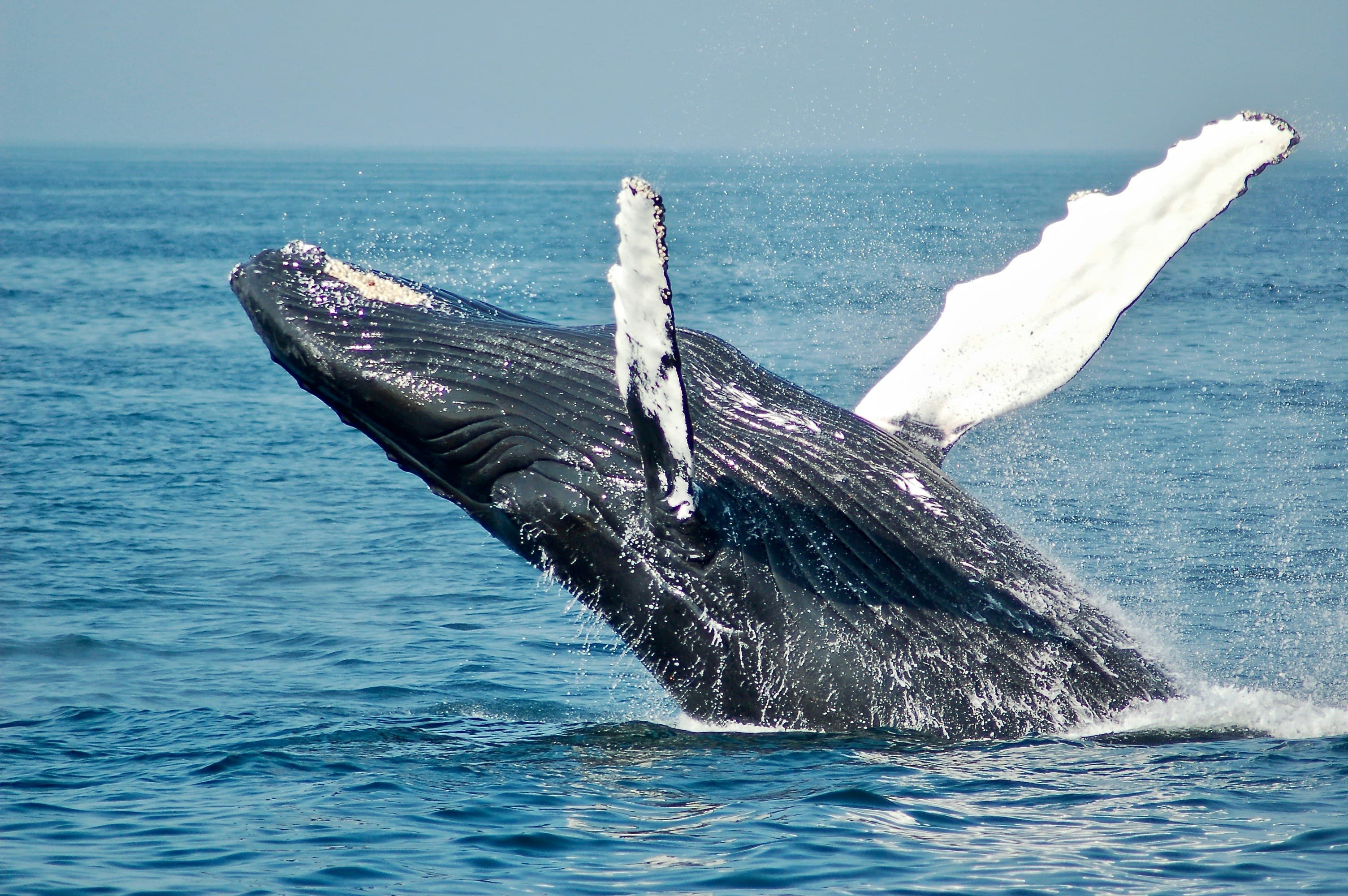
Entre junio y diciembre, las ballenas francas australes llegan al Golfo Nuevo para reproducirse y criar a sus ballenatos. Puerto Madryn es uno de los pocos lugares del planeta donde este comportamiento puede observarse de cerca mediante excursiones en embarcaciones semirrígidas. En el pico de la temporada (septiembre y octubre) pueden registrarse más de 600 ejemplares en la zona. Los nacimientos ocurren entre agosto y noviembre, y los saltos y coletazos son frecuentes.
Las orcas de Punta Norte
Punta Norte, en el extremo norte de Península Valdés, es mundialmente famosa por la técnica de varamiento intencional. Allí las orcas se lanzan sobre la playa para capturar crías de lobos marinos, un comportamiento excepcional que solo se observa también en las Islas Crozet (Francia). La mejor época para verlo es entre febrero y abril, cuando nacen las crías.
Punta Tombo: la mayor colonia de pingüinos
A 170 km al sur de Puerto Madryn, la Reserva Natural Punta Tombo alberga la colonia de pingüinos de Magallanes más grande fuera de la Antártida, con más de 500.000 ejemplares entre septiembre y marzo. Los pingüinos caminan a pocos metros de los visitantes durante sus desplazamientos diarios hacia el mar.
La ciudad y la costa
Puerto Madryn cuenta con una costanera de 7 km sobre el Golfo Nuevo, con playas de arena clara y aguas tranquilas ideales para el buceo y el kayak. La ciudad combina una moderna infraestructura turística con el carácter típico de la costa patagónica. La Avenida Roca recorre el frente marítimo y constituye uno de los principales paseos urbanos.
El Museo Paleontológico Egidio Feruglio (MEF), ubicado en la cercana ciudad de Trelew, alberga una de las colecciones de dinosaurios más importantes del mundo, incluido el Patagotitan mayorum, considerado el animal terrestre más grande conocido.
Actividades
Avistaje de ballenas (junio–diciembre): Excursiones en barco y catamarán desde el puerto. Temporada alta: septiembre a noviembre.
Buceo: El Golfo Nuevo ofrece excelente visibilidad y temperaturas moderadas. Es posible bucear junto a lobos marinos, pulpos, corvinas y merluzas. Existen numerosos centros certificados.
Kayak de mar: Recorridos costeros y expediciones de varios días por el litoral patagónico.
Senderismo y ciclismo de montaña: Circuitos en la Reserva Natural Punta Loma y en los acantilados costeros.
Excursiones a Punta Norte y Caleta Valdés: Observación de orcas, elefantes marinos y lobos marinos dentro de la península.
Reconocimiento mundial
Península Valdés y Puerto Madryn figuran entre los destinos de observación de fauna más destacados del mundo. El fenómeno de las orcas de Punta Norte ha sido documentado en numerosas ocasiones por David Attenborough y National Geographic. La región es considerada uno de los principales destinos de turismo de naturaleza de América Latina.
Economía
La economía de Puerto Madryn es diversificada y se sustenta en el turismo, la industria del aluminio (ALUAR posee aquí la principal planta de aluminio de Argentina), la pesca y los servicios portuarios. Además, cuenta con el puerto de aguas profundas más importante de la costa atlántica patagónica.
Cómo llegar
El Aeropuerto El Tehuelche recibe vuelos regulares desde Buenos Aires con una duración aproximada de dos horas. Por vía terrestre, la Ruta Nacional 3 conecta Puerto Madryn con Buenos Aires (1.400 km), Comodoro Rivadavia hacia el sur y Trelew (65 km). La terminal de ómnibus ofrece servicios hacia todas las ciudades de la Patagonia.
Infraestructura para la aventura
Puerto Madryn dispone de hostels, campings municipales frente al mar y alojamientos de todas las categorías. Dentro de Península Valdés, diversas estancias ofrecen hospedaje rural. Operadores turísticos certificados organizan excursiones y actividades relacionadas con la observación de fauna y el turismo de aventura para todos los niveles de experiencia.